
















7th Month of Pregnancy (Weeks 25–28): Third Trimester Begins — Baby Opens Eyes, Brain Development, Glucose Test & How to Manage Breathlessness, Braxton Hicks & Sleep Issues
- by ["Dr. Priyanka Mehta"]

You've made it to the third trimester. Month seven — weeks 25 to 28 — is where everything starts feeling very real. Your belly is unmistakably big, your baby is making their presence known with stronger kicks, and your body is working harder than ever. This month brings exciting milestones for your baby and some challenging symptoms for you. Here's everything you need to know, simply explained.
What's Happening With Your Baby: Weeks 25–28
- Week 25 is all about the brain. Your baby's brain begins developing deep grooves and folds this week — more folds mean more brain cells and greater intelligence. Fat is also accumulating under the skin, making your baby look less wrinkly and more like the chubby little one you'll soon hold. Your baby now weighs around 700 grams and measures about 34–35 cm.
- Week 26 brings one of the most magical milestones of your entire pregnancy — your baby opens their eyes for the first time. The eyelids, fused shut since early pregnancy, finally separate. Eyes are typically blue or grey at this stage and will develop their final colour after birth. Your baby can now respond to light — shine a torch on your belly and they may move toward it or away. The lungs are also maturing rapidly this week, producing surfactant, the substance that keeps air sacs open after birth.
- Week 27 — those rhythmic, repetitive movements you feel? Those are hiccups. Your baby swallows amniotic fluid and their diaphragm spasms just like yours does. Brain activity this week includes the development of REM sleep cycles, which means your baby may actually be dreaming. Kicks are noticeably stronger and more purposeful, and hearing is now fully developed — your baby recognises your voice, your partner's voice, and music you play regularly.
- Week 28 marks the official start of the third trimester. Your baby now weighs approximately 1 kilogram and is about 37 cm long. Babies born at 28 weeks have a 90%+ survival rate with good neonatal care — a reminder of just how far your baby has come. The brain is controlling more body functions, fat deposits are building up, and the pupils now respond to light.
The Glucose Tolerance Test (GTT): What Every 7th-Month Mom Needs to Know
The GTT is a standard test done between weeks 24–28 to check for gestational diabetes — a type of high blood sugar that develops specifically during pregnancy. It affects approximately 10–15% of Indian pregnant women, one of the highest rates globally due to genetic predisposition. Having it does not mean you did anything wrong — it simply means your body needs extra support.
If diagnosed, don't panic. Most women manage gestational diabetes well by reducing refined carbohydrates (white rice, maida, sugar), increasing protein and fibre, eating smaller and more frequent meals, and walking after meals. Your doctor will guide you through a specific plan. Managing it carefully protects both you and your baby.
What Your Body Is Going Through
- Shortness of Breath Your growing uterus is pressing upward into your diaphragm, leaving your lungs less room to expand. Add a 20% increase in oxygen demand during pregnancy and the effect of progesterone on your breathing rate, and it all adds up to feeling breathless after climbing just a few stairs. Sit and stand tall, slow down, sleep propped up with extra pillows, and practice deep belly breathing. If breathlessness is sudden, severe, or accompanied by chest pain, call your doctor immediately.
- Braxton Hicks Contractions Your belly suddenly hardens and tightens — and you freeze wondering if this is labour. More likely, it's Braxton Hicks. These are practice contractions as your uterus prepares for the real thing. They're usually painless, irregular, and stop when you change position or drink water. Dehydration is one of the most common triggers, so keep sipping water throughout the day. Braxton Hicks are irregular and don't get stronger, while real contractions come at regular intervals, grow progressively more intense, and continue no matter what you do. If contractions are coming every 10 minutes or more frequently before 37 weeks, call your doctor — this could be preterm labour.
- Sleeping Difficulties Left-side sleeping is recommended, but with an aching back, a restless baby, heartburn, and frequent bathroom trips, a full night's sleep can feel impossible. Invest in a good pregnancy pillow — it supports your belly, back, and hips simultaneously and can genuinely transform your sleep.
- Other Symptoms to Know Swelling in the feet and ankles is very common — elevate your legs when possible and reduce salt intake. Round ligament pain (sharp, sudden pain on the sides of your abdomen when you move quickly) is harmless but alarming. Stretch marks, a popping belly button, and itchy skin over your belly are all normal. Sudden severe swelling in the face and hands, severe headache, or visual disturbances need immediate medical attention — these can indicate preeclampsia.
Signs of Preterm Labour — Never Ignore These
Preterm labour is labour before 37 weeks. Watch for regular contractions more than 4–6 times per hour, lower back pain that comes and goes in waves, pelvic pressure, watery or bloody vaginal discharge, or fluid leaking from the vagina. If you experience any of these, go to hospital immediately. Caught early, preterm labour can sometimes be slowed, giving your baby more time to develop.
Nutrition for a Growing Brain
Your baby's brain is in one of its most intensive development phases. What you eat directly impacts the quality of that growth.
- DHA (Omega-3): The most important nutrient for fetal brain development. Sources: fatty fish, walnuts, flaxseeds, chia seeds, and DHA supplements if vegetarian.
- Iron: Deficiency is extremely common in Indian pregnant women and worsens breathlessness and fatigue. Sources: lean meat, rajma, chana, spinach, jaggery. Pair with vitamin C for better absorption.
- Calcium: Your baby is building bone density rapidly. Sources: dairy, ragi, sesame seeds, leafy greens.
- Protein: Aim for 75–100 grams daily. Include a protein source — dal, paneer, eggs, curd — at every single meal.
Start Your Nursery This Month
Month seven is the perfect time to set up your baby's space. By months eight and nine, you'll be grateful past-you did the shopping.
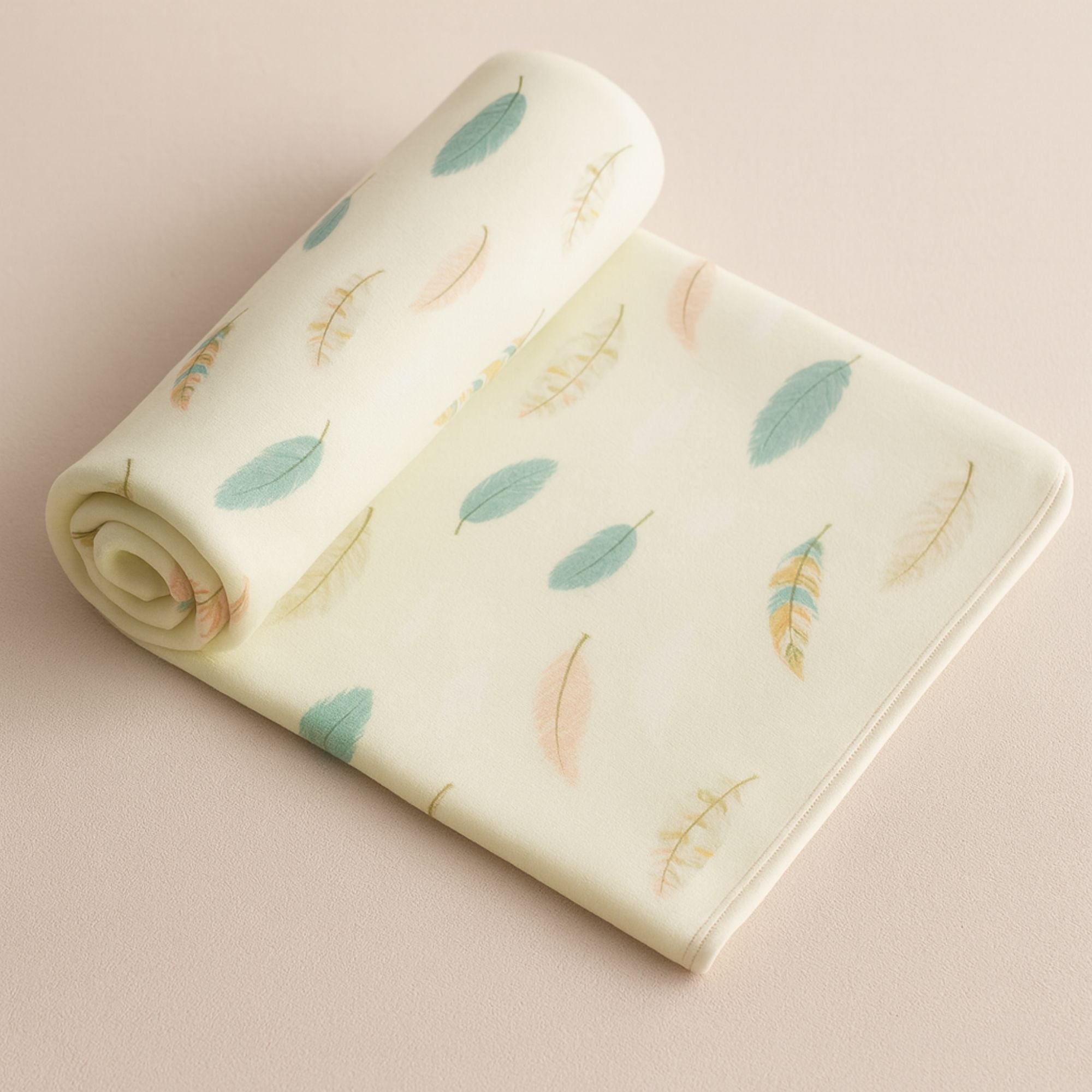
Sleep setup: A firm, flat, and breathable sleep surface is considered safest for newborns. When choosing bedding, many parents prefer lightweight muslin options that are well-suited to India's climate. Products such as baby gaddis, or baby bedding sets, mustard seed head shaping pillows, muslin swaddles, sleeping sacks and lightweight blankets can help create a comfortable and practical sleep setup for your little one.
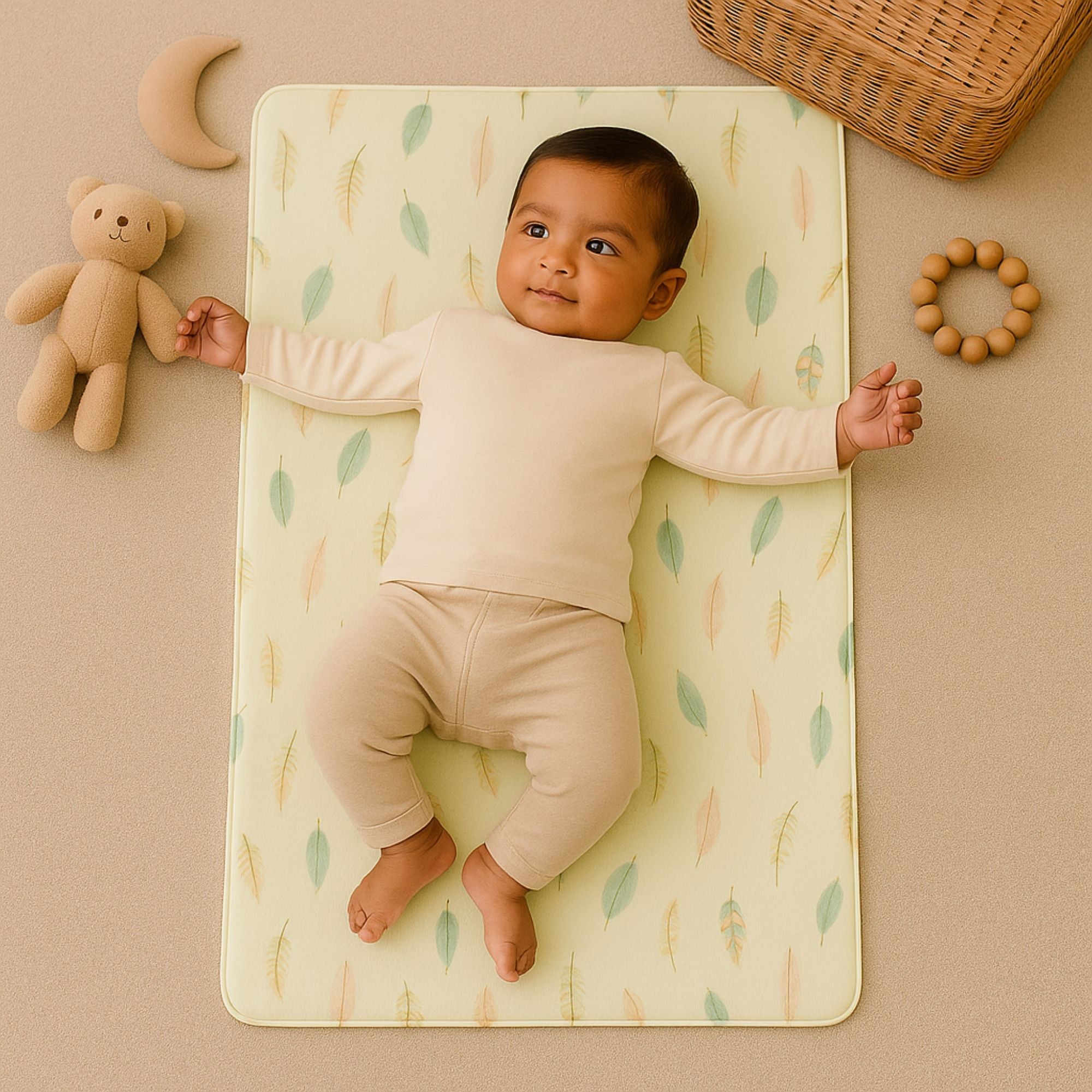
Diapering: Diapering essentials are something you'll use multiple times every day, so it's worth preparing them before your baby arrives. Keeping soft cotton nappies, reusable cloth diapers, diaper changing pad/bed and dry sheets ready can make diaper changes more comfortable and convenient during the newborn months.
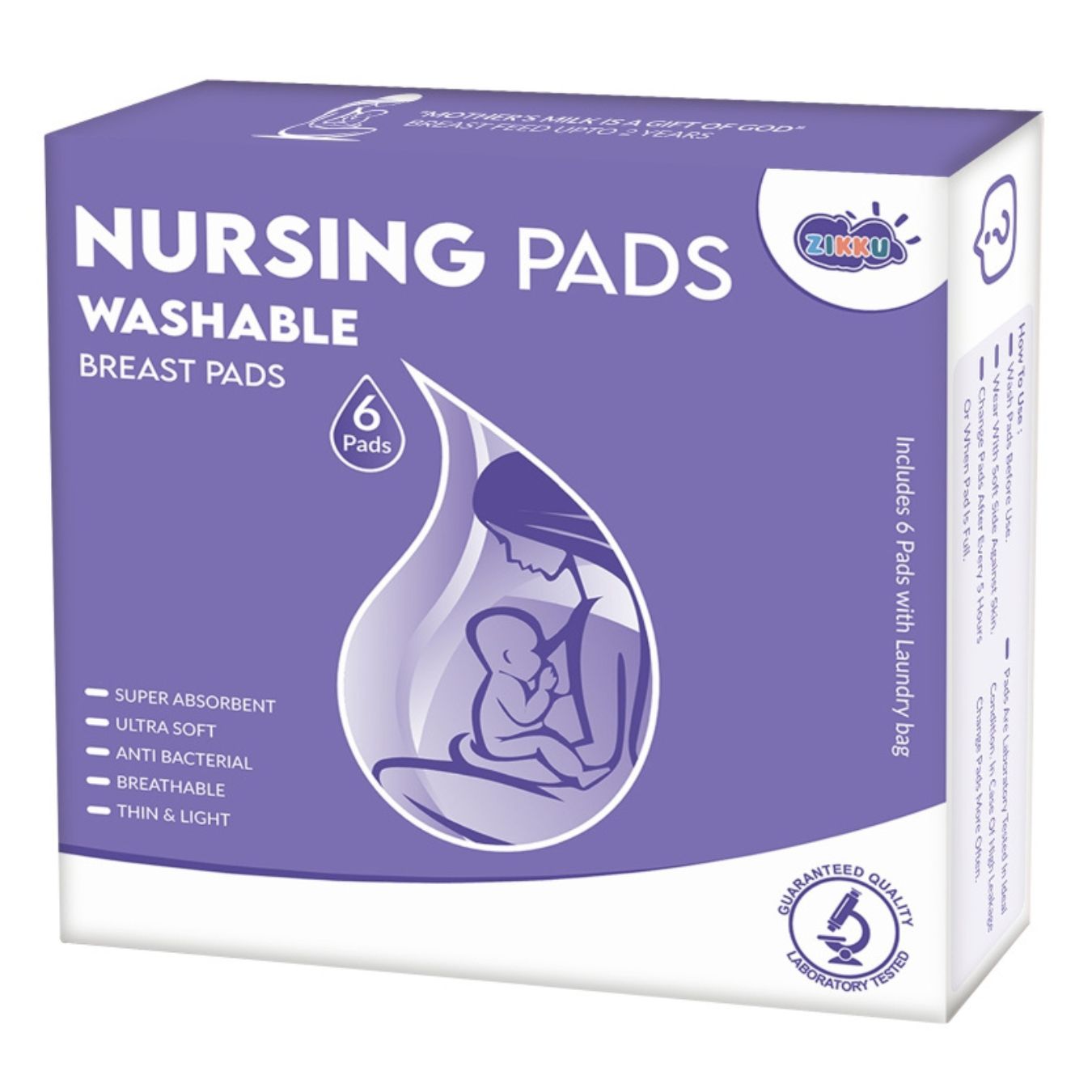
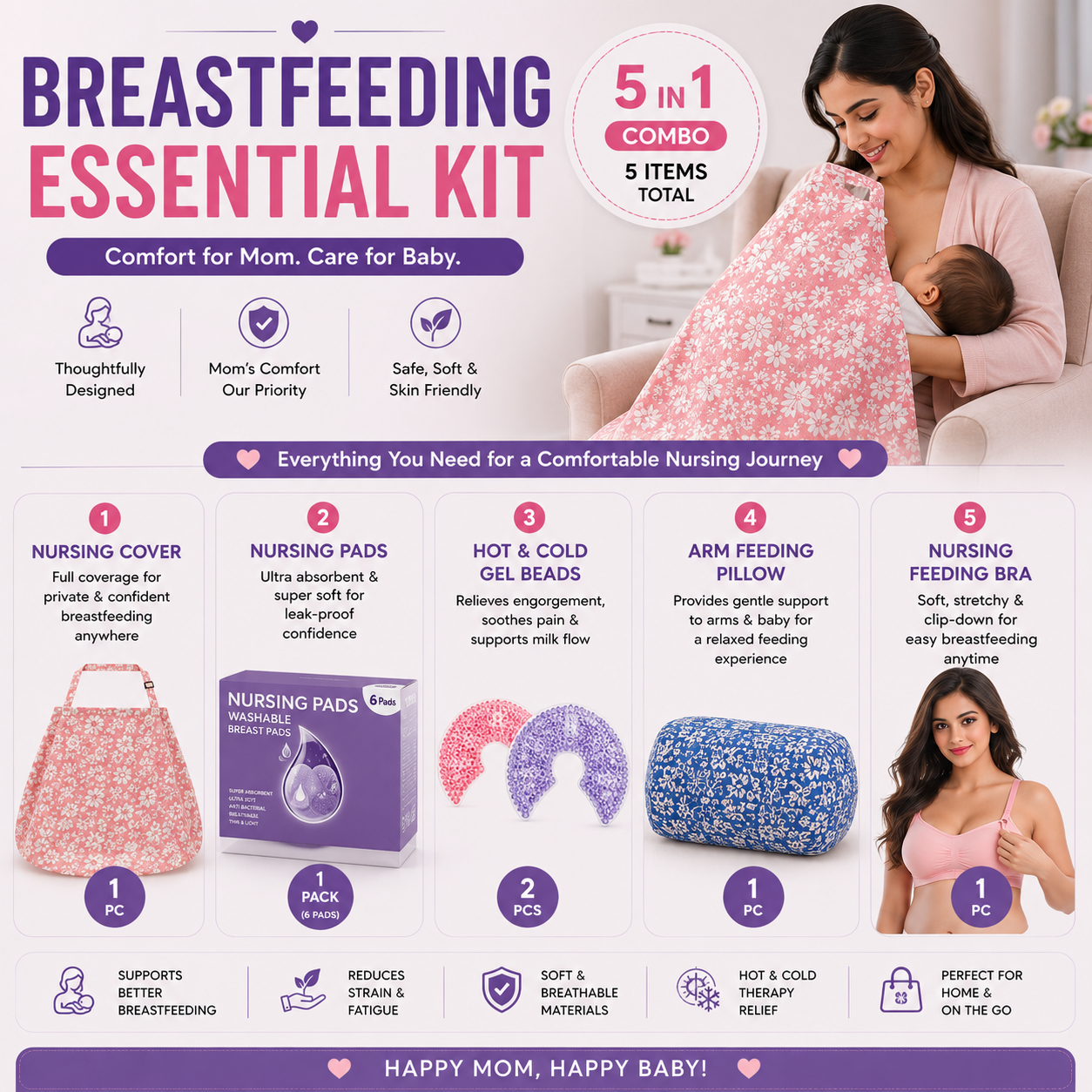
For mama: While most parents focus on baby essentials, it's equally important to prepare for your own comfort and recovery. Feeding-friendly maternity wear, nursing essentials such as nursing bras, breast pads, feeding pillows, and nursing covers can make the transition into motherhood smoother. If you're travelling during pregnancy, using a maternity seat belt adjuster can also help position the seat belt more comfortably below the baby bump during car journeys. During pregnancy and after delivery, many mothers also include skincare and recovery products such as stretch mark oils and postnatal massage oils in their routine to support skin nourishment and postpartum self-care.
You Are Doing Brilliantly
The breathlessness, the broken sleep, the Braxton Hicks at 2 AM — it's all real, and it's all hard. But so is the baby turning somersaults inside you. So are the eyes blinking open for the very first time. So is the tiny brain growing its first folds. In roughly 12 weeks, you'll hold this person who already knows your voice and feels safest close to your heartbeat. You're not just surviving the third trimester — you're building a human. And you're doing it beautifully.
At Zikku, we're India's trusted partner for maternity and newborn essentials — loved by over 50,000 families. From pregnancy through the early years, we've got you covered.




:%20Third%20Trimester%20Begins%20%E2%80%94%20Baby%20Opens%20Eyes,%20Brain%20Development,%20Glucose%20Test%20%26%20How%20to%20Manage%20Breathlessness,%20Braxton%20Hicks%20%26%20Sleep%20Issues)